
THE GENESES
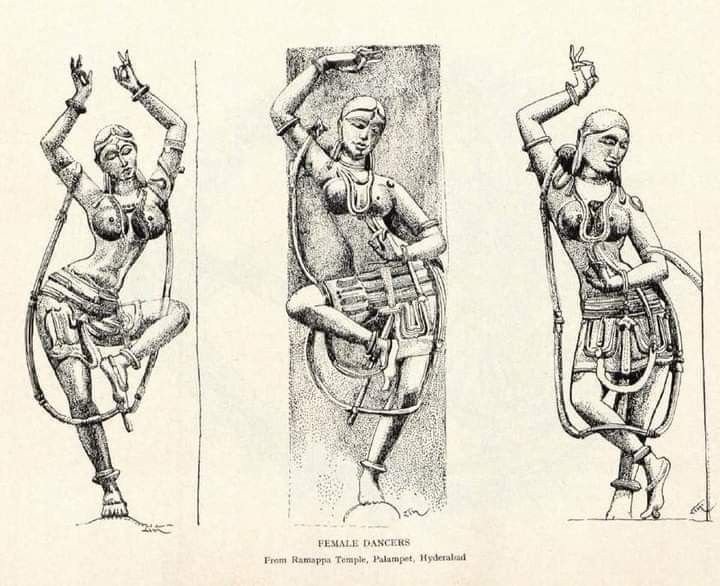
Indian apparel has a long and illustrious history that begins with the Indus Valley Civilization and beyond. Cotton cultivated in the area has always been the fabric of choice for Indian garments. As far back as 2500 BCE, during the Harappan period, India was among the earliest regions to cultivate and use cotton. Human art forms found in temples and monuments, as well as figurines unearthed around the Indus Valley civilization, cave paintings, rock-cut sculptures, and artifacts from ancient Indian textiles can be found. Images of people dressed in garments that can be wrapped around the body can be seen in these passages. Traditional Indian clothing, such as the sari, turban, and dhoti, was typically worn knotted in different ways around the body.
CONCISE
The attire of the people of the Indus Valley Civilization demonstrates the presence of multiethnic people from a variety of backgrounds. For instance, those photographed have been shown adorned with a neck ornament resembling a chocker in the Pashtun style, along with bangles and necklaces in the Rajasthani and Punjabi styles, as well as many other styles that are popular in the Indian subcontinent’s neighboring regions.
During that era, ladies typically wore a minimalistic knee-length skirt that exposed their midriff. Additionally, the women also adorned themselves with headdresses. The user’s text is enclosed in tags. Women also donned lengthy skirts, snugly tailored tunics on their upper torso, and pants as well. The mother goddess statue from Delhi National Museum indicates that the female figure is adorned in a brief tunic paired with a short skirt and trousers. The user’s text is . There is also evidence of men wearing trousers, as well as a conical gown/tunic with a waist belt positioned higher up.